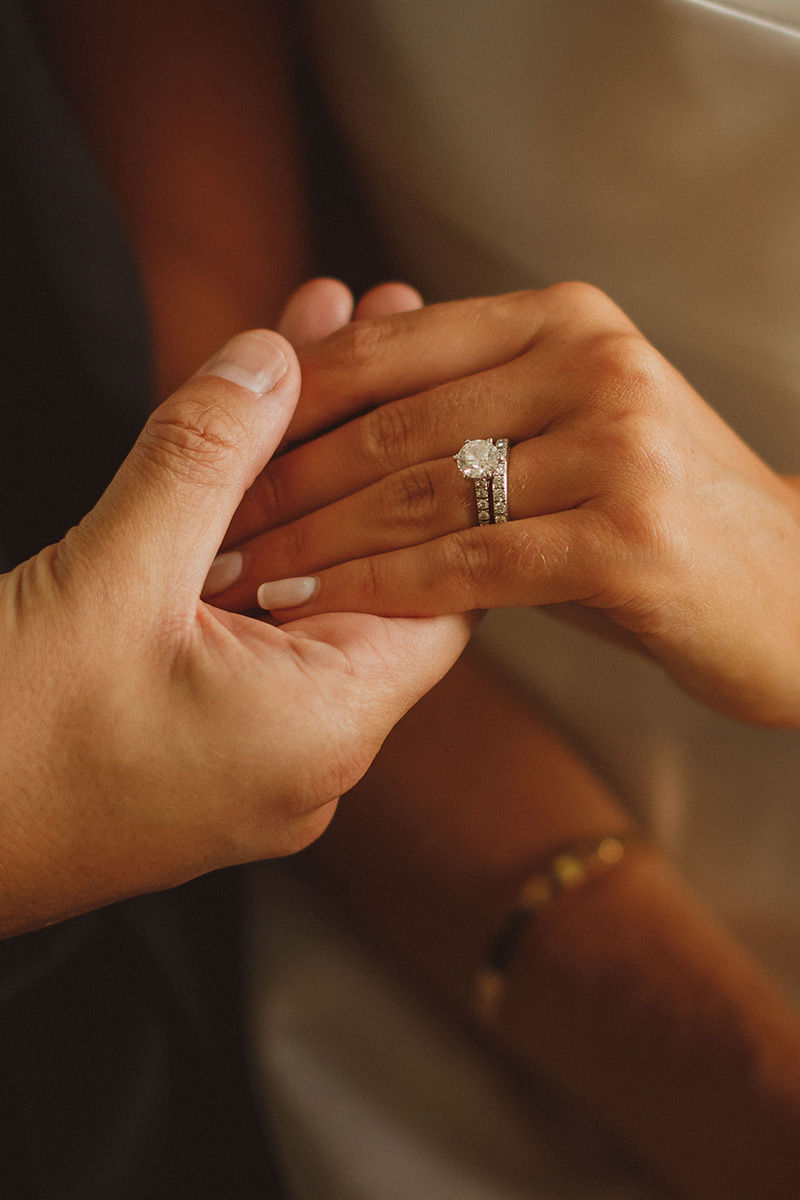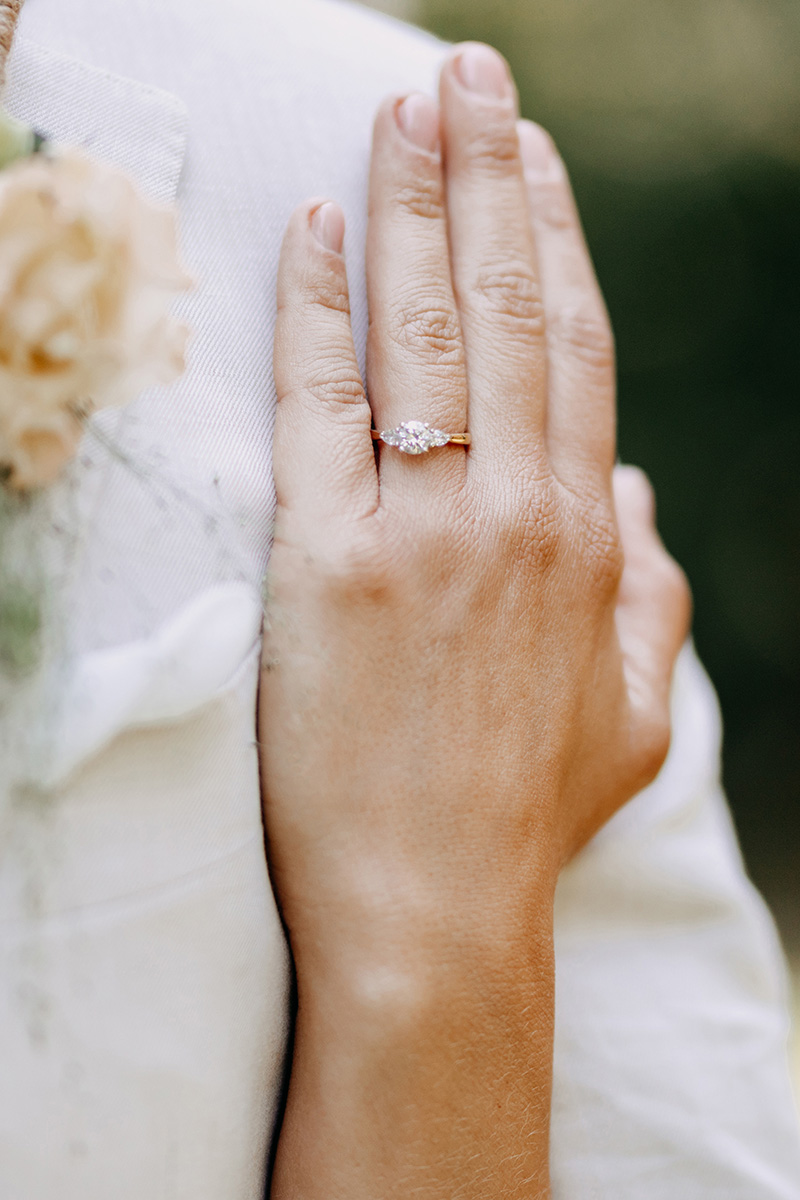
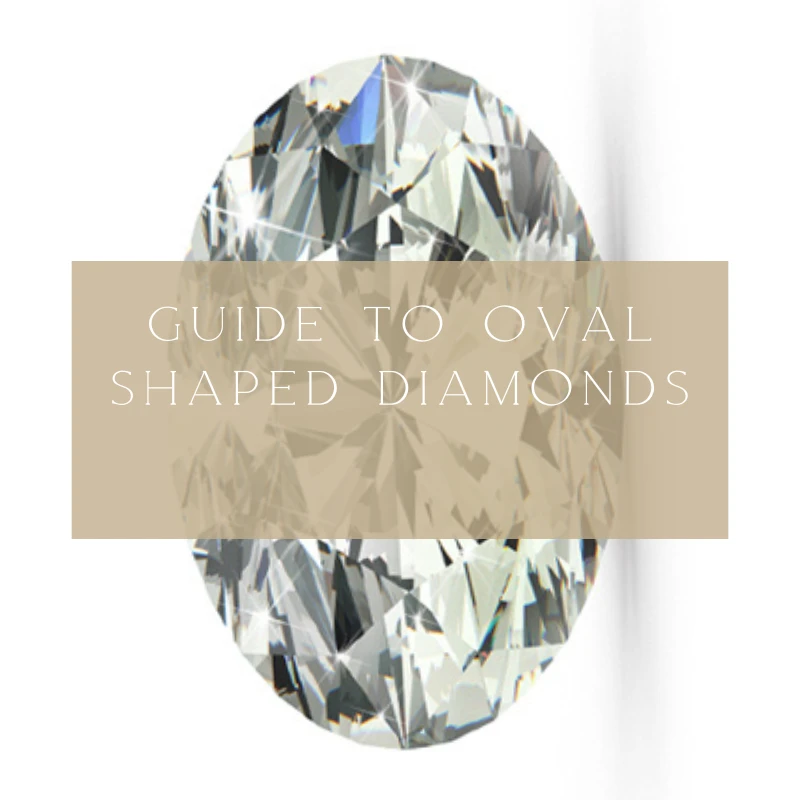
The oval cut diamond is a graceful and elongated shape that combines the brilliance of a round cut with a slender, elegant form. Its soft curves and flattering silhouette have made it a favourite for those who want a classic diamond with a modern twist. The shape is particularly popular for its finger-lengthening effect and ability to appear larger than its carat weight.
First developed in the 1960s, the oval cut has since established itself as a timeless yet distinctive choice for engagement rings and fine jewellery.
The Story of the Oval Cut
While often associated with contemporary designs, the oval cut was created by diamond cutter Lazare Kaplan as a modified version of the round brilliant. It maintains the same facet structure—typically 56 to 58 facets—but stretches it into a symmetrical oval outline.
This elongation helps the stone appear larger than a round diamond of equal carat weight. The oval cut also creates a unique interplay of light, though it may show a bowtie effect (a dark area across the centre) if poorly cut.
What to Look for in an Oval Cut Diamond
With its elongated proportions and brilliant faceting, the oval cut requires close attention to shape, symmetry, and cut quality.
Colour
Due to the shape, colour may be more visible at the pointed ends of the oval. Experts typically recommend choosing a diamond in the G–H colour range, which will appear white in most settings.
If you're opting for a warmer metal, such as yellow or rose gold, you may even consider an I graded stone, as the setting can complement the tone of the diamond.
Clarity
Oval diamonds are good at hiding inclusions, particularly near the rounded ends. However, inclusions located in the centre or bowtie area can be more noticeable.
Look for diamonds in the VS–SI clarity range that are eye-clean, meaning inclusions are not visible without magnification. Always inspect the centre of the stone carefully before making a decision.
Cut
As with most fancy shapes, the GIA does not provide a cut grade for oval diamonds. The most important factor to consider is symmetry.
The left and right sides of the diamond should mirror each other, and the curves should be smooth and even. The length-to-width ratio generally falls between 1.30 and 1.50, depending on whether you prefer a wider or more elongated shape. A well-cut oval should also minimise the bowtie effect as much as possible.