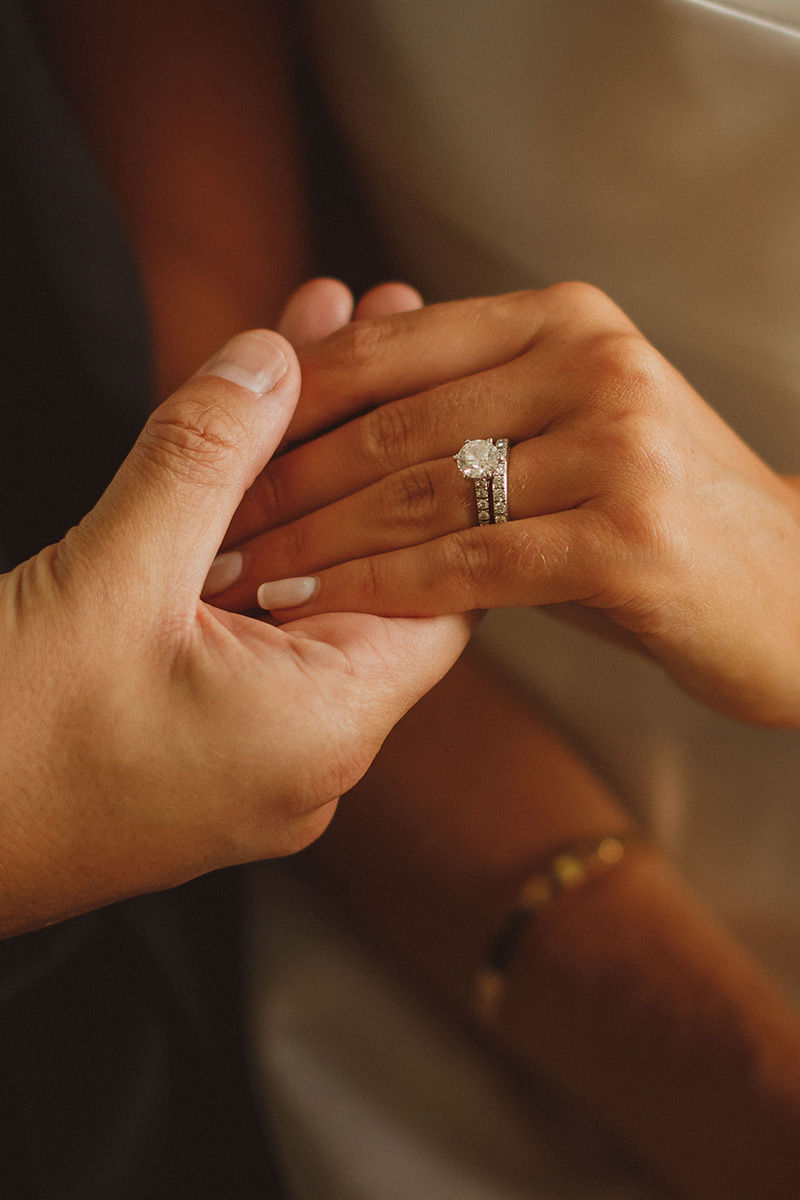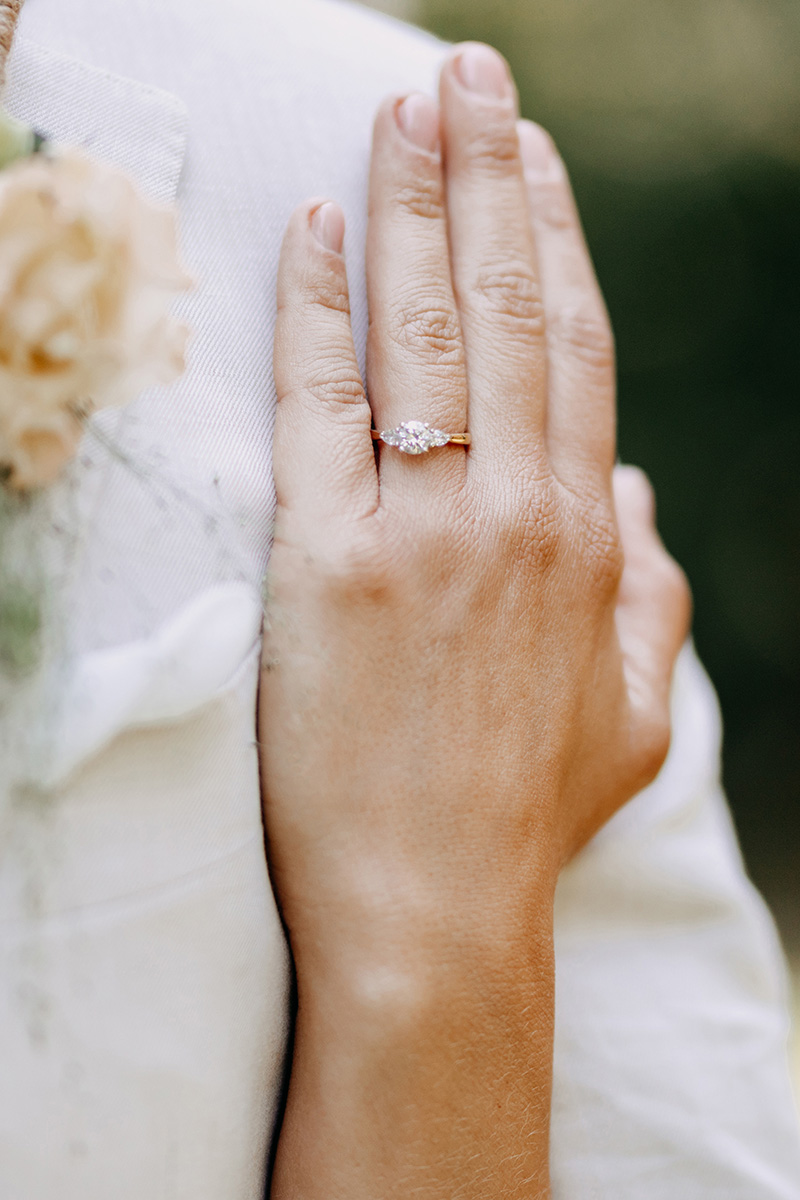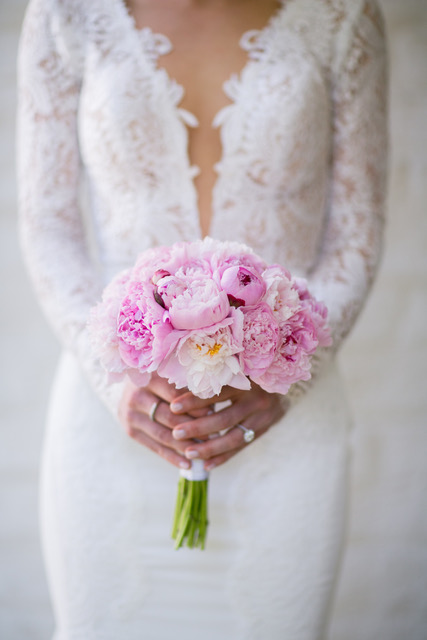
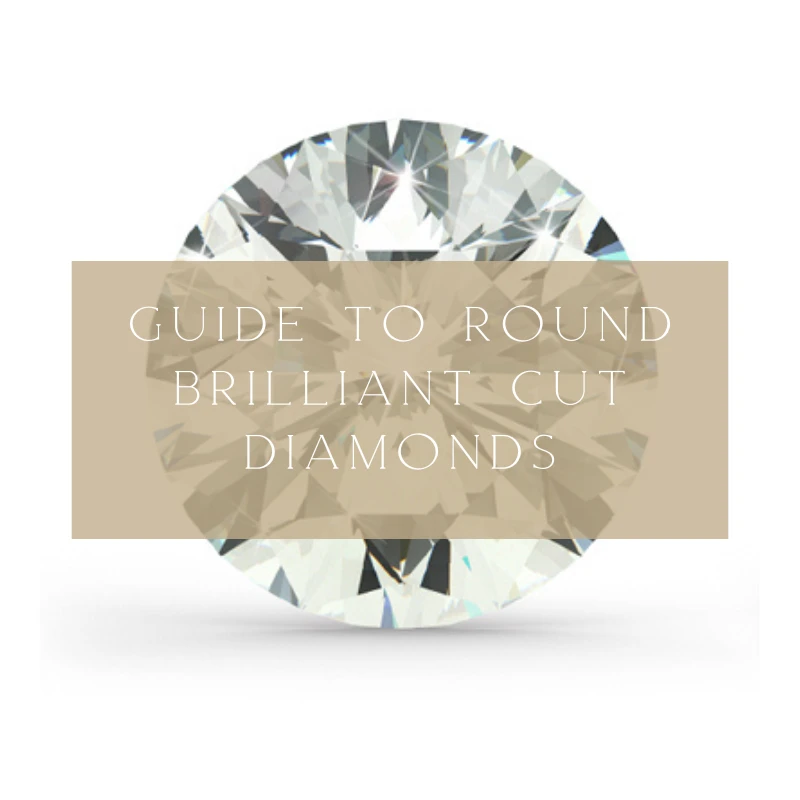
The round brilliant cut is the most iconic and widely recognised diamond shape in the world. With its perfect symmetry and unmatched sparkle, it remains the top choice for engagement rings and fine jewellery. Designed specifically to maximise brilliance, this shape delivers fire, scintillation, and timeless appeal.
Though widely available, not all round brilliant cuts are created equal—cut quality plays a crucial role in determining how much the diamond will shine.
The Story of the Round Brilliant Cut
The round brilliant cut as we know it today was refined in the early 20th century, but its origins go back even further. The modern cut was mathematically developed to reflect the maximum amount of light, thanks to its precise facet arrangement.
Featuring 57 or 58 facets, the round brilliant cut is engineered for light performance. Its circular outline and cone-shaped pavilion are designed to return light through the top of the diamond, resulting in a bright, sparkling appearance from every angle.
What to Look for in a Round Brilliant Cut Diamond
As the most technically advanced cut, the round brilliant demands a closer look at its proportions, especially if you want the most brilliance for your budget.
Colour
Round brilliant diamonds are excellent at hiding colour thanks to their sparkle. Most buyers prefer stones in the G–H colour range, which appear white to the naked eye. For a platinum or white gold setting, consider going as high as D–F for a crisp, icy look.
If you're choosing a yellow or rose gold setting, I–J diamonds may still appear white due to the contrast with the warm metal.
Clarity
The brilliance of the round cut also helps mask inclusions. For this reason, clarity can be more forgiving than in step cuts.
Look for diamonds in the VS–SI range, where inclusions are typically not visible without magnification. For larger carat weights or those seeking higher purity, VS1 or above is a safe choice.
Cut
Cut is the most important factor in a round brilliant diamond. A poorly cut diamond—no matter how high its colour or clarity—will appear dull.
We recommend choosing a diamond with a GIA cut grade of Excellent. This ensures ideal proportions, symmetry, and polish, maximising the light performance of the stone.